|
 |
| المنتجات المصنعة |
| |
|
|
| |
 |
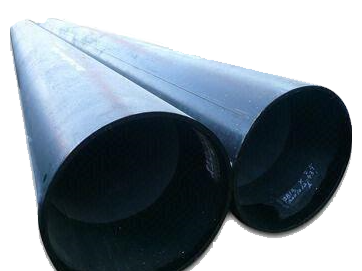
| أنبوب زعانف |
|
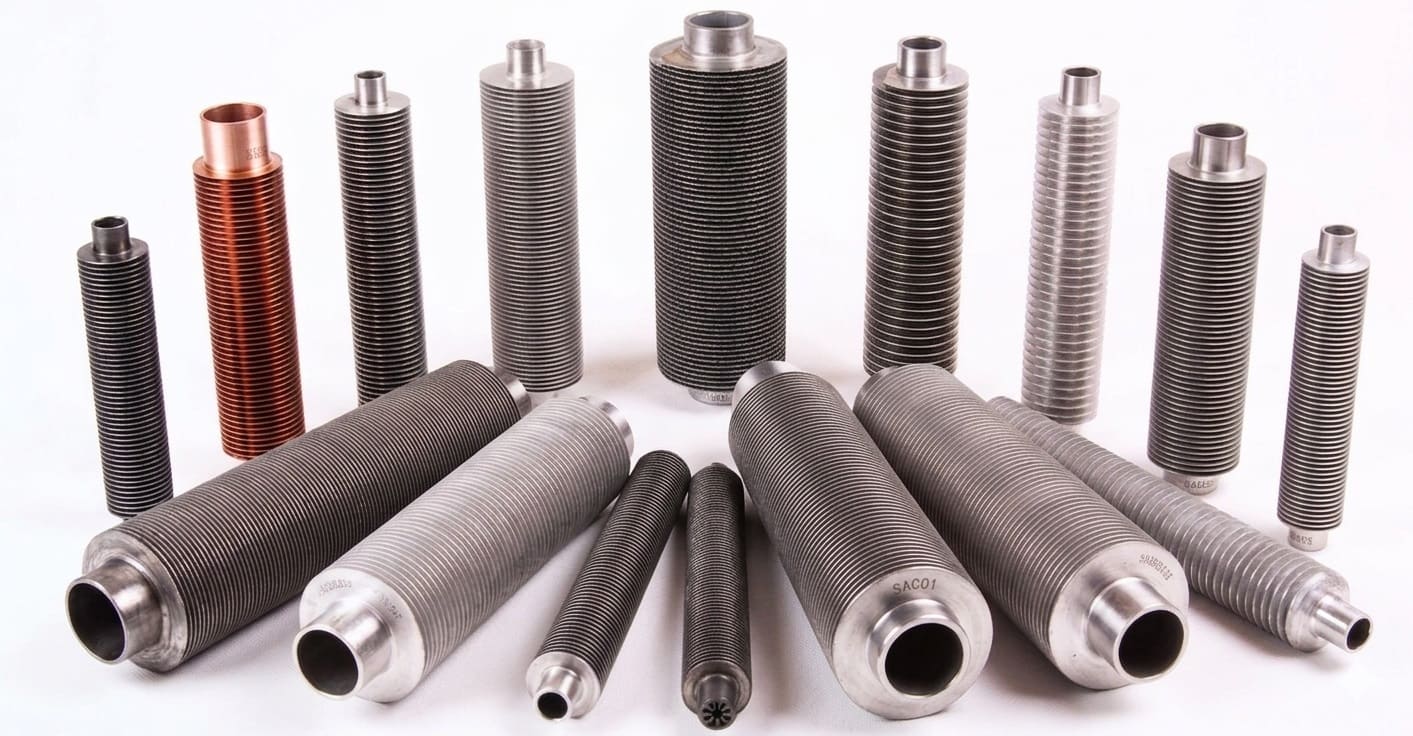
أنابيب الزعانف لمبردات الهواء ومبادلات الحرارة. يتم اختيار نوع الزعنفة (L/LL/G/KL/Extruded/Studded) حسب الخدمة، مع مواد أنبوب أساسي من الفولاذ الكربوني إلى الستانلس والدوبلكس والسبائك.
|
| أنواع الزعانف |
L / LL / G (Embedded) / KL / Extruded / Serrated / Solid / Studded (حسب الطلب) |
| الأنبوب الأساسي |
فولاذ كربوني، ستانلس، دوبلكس، سبائك (حسب شروط الخدمة) |
| الاستخدامات |
مبردات الهواء، مكثفات/مبخرات، غلايات، مبردات توربينات الغاز |
| الفحص |
فحص أبعادي/مرئي وخيارات PMI/NDT حسب المشروع |
| الوثائق |
MTC (EN 10204 3.1 / 3.2) ودعم التتبع |
|
الدرجات والبدائل (Equivalents)
تحديد مادة الأنبوب الأساسي ومادة الزعنفة مبكراً يسرّع التسعير. إذا لديك مكافئات EN/JIS/ASTM فأضفها في RFQ.
| الأنبوب الأساسي |
كربوني (A179/A192)
ستانلس 304/316L
Duplex 2205
سبائك (825/625)
|
| مادة الزعنفة |
ألمنيوم
نحاس
ستانلس
كربوني
|
| البدائل |
يمكن مراجعة مكافئات EN/JIS/ASTM حسب درجة الحرارة وخدمة التآكل (عند الطلب). |
Tip: يرجى تحديد نوع الزعنفة + أبعادها (الارتفاع/السماكة/المسافة) وأقصى درجة حرارة تشغيل.
|
الجودة والفحص
فحوصات أبعاد/مظهر (هندسة الزعنفة واستقامة الأنبوب)
خيارات فحص الأنبوب الأساسي (PMI / Hydro / NDT) عند الطلب
MTC ودعم التتبع لمشاريع التصدير
|
التعبئة والتسليم
حماية الزعانف: فواصل / تغليف حسب الحاجة
حزم / صندوق خشبي للتصدير (عند الطلب)
يرجى ذكر ميناء الوجهة وشروط التسليم والتاريخ المستهدف في RFQ
|
طلب تسعير (RFQ)
لتسعير سريع، يرجى تزويدنا ببيانات الأنبوب الأساسي وأبعاد الزعنفة (TPi) والمادة/الدرجة والمواصفة والكمية ومتطلبات الفحص/الوثائق والوجهة.
تواصل / RFQ
|
ما هي أنواع الزعانف المتاحة؟
L و LL و G (Embedded) و KL و Extruded و Serrated و Solid و Studded وفقاً لمتطلبات الخدمة.
ما هي مواد الأنبوب الأساسي المتاحة؟
فولاذ كربوني، ستانلس، دوبلكس وسبائك حسب الطلب ومواصفات المشروع.
ما المعلومات المطلوبة في RFQ؟
حجم الأنبوب الأساسي، نوع الزعنفة وهندستها (ارتفاع/سُمك/TPi)، المادة/الدرجة، المواصفة، الكمية، الفحص/الوثائق والوجهة.
هل يتم دعم MTC وخيارات الفحص؟
نعم. يتوفر MTC (EN 10204 3.1 / 3.2) ودعم التتبع عند الطلب. يمكن مواءمة نطاق الفحص (أبعاد/مظهر، PMI، NDT) مع مواصفة المشروع.
كيف يتم تعبئة أنابيب الزعانف لحماية الزعانف؟
يمكن حماية الزعانف بالفواصل والتغليف. كما يمكن ترتيب الحزم والتعبئة التصديرية (بما في ذلك الصناديق الخشبية)—يرجى ذكر متطلبات المناولة والوجهة في RFQ.
ما العوامل التي تؤثر على زمن التسليم؟
حجم/درجة الأنبوب الأساسي، نوع الزعنفة، هندسة الزعنفة، الكمية، نطاق الفحص والتعبئة. يرجى تضمين تاريخ التسليم المستهدف وميناء الوجهة.
|
| الاستخدامات |
| مكثف مبادل حراري، مكثف ومبخر تكييف، آلة تبريد، غلاية مياه ساخنة، مبرد توربين غاز، مبرد هوائي (Air-fin) |
| الأنواع |
| L, LL، G (مدمج)، KL، بثق، صلب، مسنن، زعنفة عالية، زعنفة منخفضة |
| المواد المتاحة |
| فولاذ كربوني، فولاذ مقاوم للصدأ، فولاذ سبائكي، دوبلكس، إلخ |
| تفاصيل تقنية حسب النوع |
|
|
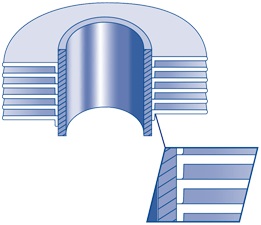
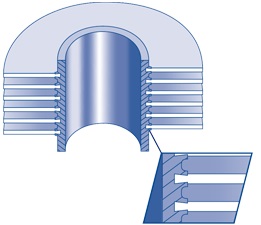
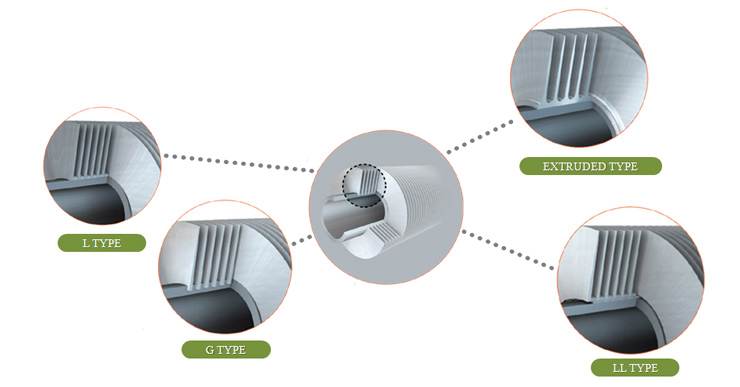
The strip material is subjected to controlled deformation under tension, giving the optimum contact pressure of the foot of the fin onto the base tube, thus maximizing the heat transfer properties. The foot of the fin considerably enhances the corrosion protection of the base tube.
Max. Temp: 150°C
Resistance: Atmos(Med), Mech(Low)
Materials: Alu, Copper
|
|
|
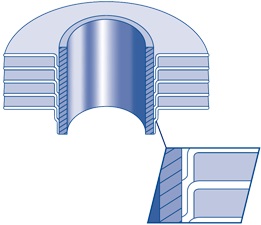
Manufactured the same way as the 'L' type, except the fin foot is overlapped to completely enclose the base tube, giving excellent corrosion resistance. Often used as an alternative to expensive extruded fins.
Max. Temp: 180°C
Resistance: Atmos(High), Mech(Low)
Materials: Alu, Copper
|
|
|
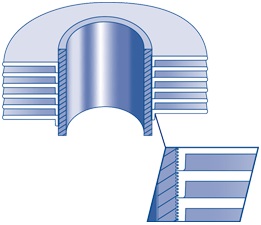
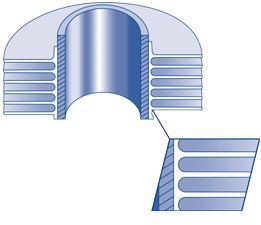
The base tube is knurled before the fin foot is applied. After application, the fin foot is knurled into the tube, enhancing the bond and improving heat transfer characteristics.
Max. Temp: 260°C
Resistance: Atmos(Med), Mech(Med)
Materials: Alu, Copper
|
|
|
The fin strip is wound into a machined groove and securely locked into place by backfilling with base tube material. This ensures maximum heat transfer at high tube metal temperatures.
Max. Temp: 400°C
Resistance: Atmos(Low), Mech(Med)
Materials: Alu, Copper, Carbon Steel
|
|
|
Formed from a bimetallic tube (aluminum outer/any material inner). The fin is rolled from the outside tube to give an integral fin with excellent longevity and outstanding corrosion protection.
Max. Temp: 285°C
Resistance: Atmos(High), Mech(High)
Materials: Aluminum
|
High Frequency Finned Tubes (HF / HFW)
High-frequency resistance welding forms a strong, continuous bond between the fin and the base tube. This construction is widely used for
air-cooled heat exchangers and condenser/evaporator services where reliable heat transfer and fin integrity are required.
How HF finning works (overview)
- Continuous welding: the fin strip is formed and welded to the tube with high-frequency current.
- Controlled heat input: localized heating minimizes distortion while achieving stable fusion at the fin root.
- Repeatability: consistent parameters الدعم uniform fin bond quality along the full tube length.
Why it matters (performance)
- High heat transfer stability: strong bond reduces contact resistance at the fin-to-tube interface.
- Mechanical integrity: suitable for air-side vibration and thermal cycling in air-coolers.
- Field-friendly: robust fin attachment helps reduce fin loosening during handling/transport.
Key design & specification parameters
- Fin pitch (fins/inch or mm): balances surface area vs. fouling/cleanability.
- Fin height: increases area; limited by bundle spacing and airflow pressure drop.
- Fin thickness: affects stiffness and corrosion allowance.
- Fin type: solid vs serrated (air-side turbulence).
- Tube OD/WT: governs pressure boundary and mechanical strength.
- Fin-to-tube weld profile: controlled geometry for consistent bond and appearance.
- Length / straightness: important for tube-to-tube sheet fit and bundle assembly.
- End finishes: plain ends, bevels, grooves, end caps (as specified).
Quality & inspection (typical)
- Dimensional: OD/WT/length, fin pitch/height, straightness, ovality.
- Visual: fin uniformity, fin root continuity, surface defects, handling marks.
- Bond integrity: checks per customer requirement (procedural checks / sample evaluation).
- NDT (if required): base tube ET/UT, pressure test, PMI, hardness, etc. per PO/ITP.
- Traceability: heat/lot marking maintained through finning and packing.
Corrosion & surface options
- Material selection: carbon steel, stainless, alloy, duplex for base tube; fin material selected by duty.
- Coatings (optional): painting/anti-corrosion coating on fins or tubes per project requirement.
- Service environment: consider marine/industrial atmosphere, sulfur/salt exposure, and cleaning chemistry.
Common fin types (HF welded)
- Solid fin: standard continuous fin for general duty.
- Serrated fin: improved turbulence/heat transfer; preferred for air-coolers.
- High fin / Low fin: selected by required surface area and pressure drop.
Aluminium fin tube options
- Extruded Al fin: excellent fin-to-tube contact and corrosion coverage.
- L / LL / KL: economical Al fin solutions for HVAC/coil-style duties.
- Selection: based on temperature, corrosion environment, and mechanical load on fins.
Typical specifications: fin pitch, fin height, fin thickness, base tube OD/WT/Length, and material (Carbon / Stainless / Alloy / Duplex).
Final scope follows PO/ITP.
Advantages
- Strong fin-to-tube bond for stable heat transfer.
- Good mechanical robustness for air-cooler bundles.
- Serrated fin option enhances performance on air side.
Selection notes
- Confirm corrosion environment and cleaning method.
- Decide fin pitch/height by fouling and pressure drop.
- Finalize with customer standard and project ITP.
|
High Frequency Finned Tubes (HF/HFW) — Quick Specification Guide
| Item |
Typical / Notes |
| Fin form |
Solid, Serrated, High fin, Low fin (per duty and pressure drop). |
| Base tube |
Carbon / Stainless / Alloy / Duplex. Common: ASTM A179/A192/A213/A269 (as specified). |
| Fin material |
Carbon steel / stainless (HF welded). Aluminium options available by extruded or L/LL/KL methods. |
| Operating temp. |
Defined by tube/fin material and service environment. Selection is finalized by customer spec and engineering review. |
| Applications |
Air-cooled heat exchangers, condensers, coolers, HVAC coils, refinery/petrochemical coolers, power/LNG auxiliary coolers. |
| Quality checks |
Dimensional, visual, fin bond integrity, marking/traceability; NDT and documentation per PO/ITP. |
|
|
|
| |
| Technical Highlights |
| |
|
Heat transfer & fin selection: Fin type (L, LL, KL, G embedded, extruded, serrated, etc.) is chosen from operating temperature, fouling tendency, and mechanical loads on fins. Higher metal temperatures and harsher duty favor embedded (G) or extruded fins; L/LL types balance cost and corrosion coverage for air-cooled bundles and HVAC-style coils. |
|
Base tube materials: Carbon steel, low-alloy, austenitic and duplex stainless, nickel alloys, and titanium-compatible combinations are supplied per your heat exchanger specification and compatibility with process fluid (sour service, chloride, ammonia). |
|
Applications: Shell-and-tube and air-fin condensers and evaporators, process coolers, gas turbine intake/charge air coolers, refrigeration and LNG trains, power HRSG air heaters, and petrochemical heater convection sections - coordinate fin density, fin height, and tube layout with your thermal duty and allowable pressure drop. |
|
Quality & documentation: Dimensional checks, fin-to-tube bond verification where applicable, and material traceability (MTC) aligned to ASTM/ASME or EN material orders; project-specific NDT or third-party inspection can be quoted with the inquiry. |
|
HF/HFW fin bond integrity: High-frequency resistance welding provides a continuous fin-to-tube weld at the fin root, helping reduce thermal contact resistance and supporting stable performance under thermal cycling and air-side vibration (air coolers). |
|
Serrated vs solid fin selection: Serrated fins increase air-side turbulence for higher heat transfer, while solid fins offer balanced performance. Choose fin type together with fin pitch/height considering allowable pressure drop, fouling tendency, and cleaning method. |
|
Service environment & protection: For marine/industrial atmospheres, fin/tube material selection and optional anti-corrosion coating are important. Packaging (end caps, moisture control, VCI) helps maintain cleanliness and prevent damage during transport and storage. |
|
| |
|
Related topics & terms
finned tube manufacturer Korea, fin tube supplier Japan, L fin LL fin G fin embedded fin, KL knurled fin tube, extruded finned tube bimetallic, serrated fin low fin high fin, heat exchanger finned tube, condenser fin tube, evaporator fin coil, air cooled heat exchanger fin, HVAC fin tube, refrigeration finned coil, gas turbine cooler fin tube, aluminum fin copper tube, stainless finned tube duplex S31803, carbon steel fin tube ASTM A179 A192, alloy fin tube heat transfer, TEMA shell tube bundle fin, petrochemical fin cooler, LNG fin heat exchanger, power plant air heater fin, fin density fin pitch specification, fin height OD wall thickness, corrosion resistant fin tube, sour service fin compatibility, MTC fin tube EN10204, NDT fin bond inspection, ASEA METAL finned tube export, engineering fin selection temperature limit
|
| |
|
| |
|
|