|
Every tube shipment begins with disciplined control of the starting material. Incoming mother pipe or hollow is checked against mill certificates, heat numbers, and project chemistry limits. Visual sorting, dimensional spot checks, and, where the order requires, supplementary tests (PMI, hardness, or ultrasonic on heavy wall) ensure that only material suitable for the intended standard (ASTM, EN, JIS, or ASME) enters the production line. This first gate is what makes later cold work, heat treatment, and pressure testing meaningful: traceability starts here.
Wall reduction and diameter control for seamless product rely heavily on cold rolling with a Pilger mill. The process uses a reciprocating mandrel and die to incrementally thin the wall and refine the microstructure in controlled steps. Compared with single-pass heavy drawing alone, Pilgering spreads strain more evenly, which helps maintain concentricity and reduces the risk of lamellar defects. For many heat exchanger and instrumentation schedules, this step is where intermediate sizes are fixed before pointing and drawing sequences that target final OD and WT tolerances.
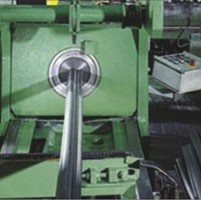
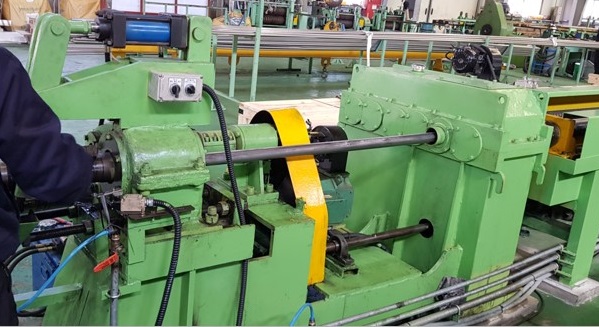
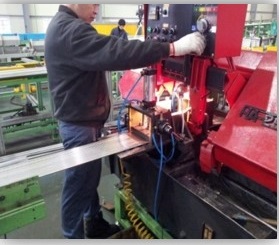
Pointing forms a tapered nose so the tube can be gripped safely by the drawing carriage. The end must be straight enough and strong enough to survive repeated passes without splitting. Operators match pointing geometry to alloy grade and wall thickness so that subsequent cold drawing does not start with cracks or folds at the lead end.
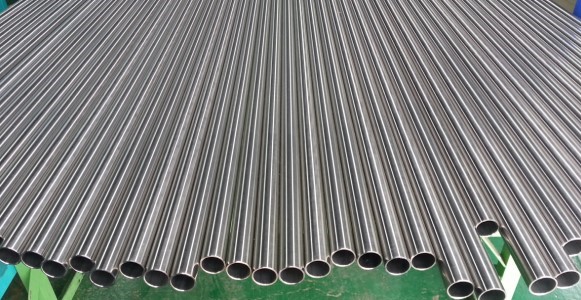
Cold drawing through carbide or tool-steel dies finishes the dimensions required on the purchase order. Each pass is planned with lubrication, intermediate anneals when work hardening demands it, and inter-pass cleaning so surface quality remains suitable for bright annealing or polishing classes. Drawing is also where length, mechanical properties, and straightness targets are balanced: thinner walls and higher strength grades typically need more passes and tighter process control.
Cleaning and degreasing remove drawing compounds and metal fines that could carbonize in a furnace or interfere with eddy-current testing. For stainless and nickel alloys, a controlled surface is essential before bright annealing so that the passive layer forms uniformly and corrosion performance matches specification.
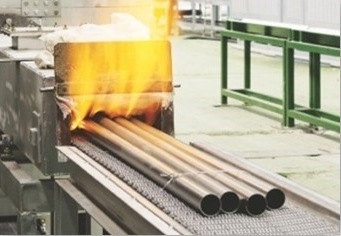
Heat treatment, including bright annealing under protective atmosphere where applicable, restores ductility after cold work and sets the final metallurgical condition (solution annealed, stress relieved, or temper ranges per standard). Temperature, time, and atmosphere are recorded against heat number so MTC data align with what buyers expect for weldability, intergranular corrosion resistance, and downstream forming.
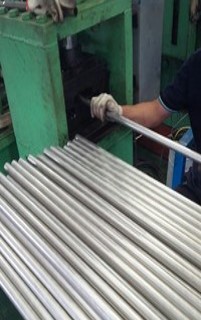
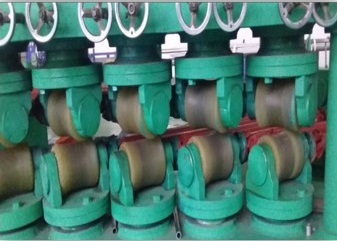
Straightening corrects bow and twist from handling and heat cycles. Roller or stretch straightening is selected to meet the straightness class on the drawing so that bundles fit heat exchanger tube sheets, instrumentation runs, or coiling equipment without field correction.
Cutting and chamfering deliver the commercial length and end preparation for welding or mechanical joint systems. Length tolerances and square cut quality are checked against the same tables that hydro and NDT will later reference.
Non-destructive testing is applied per ITP: eddy current for longitudinal defects on many seamless grades, supplemented by hydrostatic or pneumatic proof tests when the code or customer requires proof of integrity. Marking links each tube back to heat, lot, and test batch for site traceability.
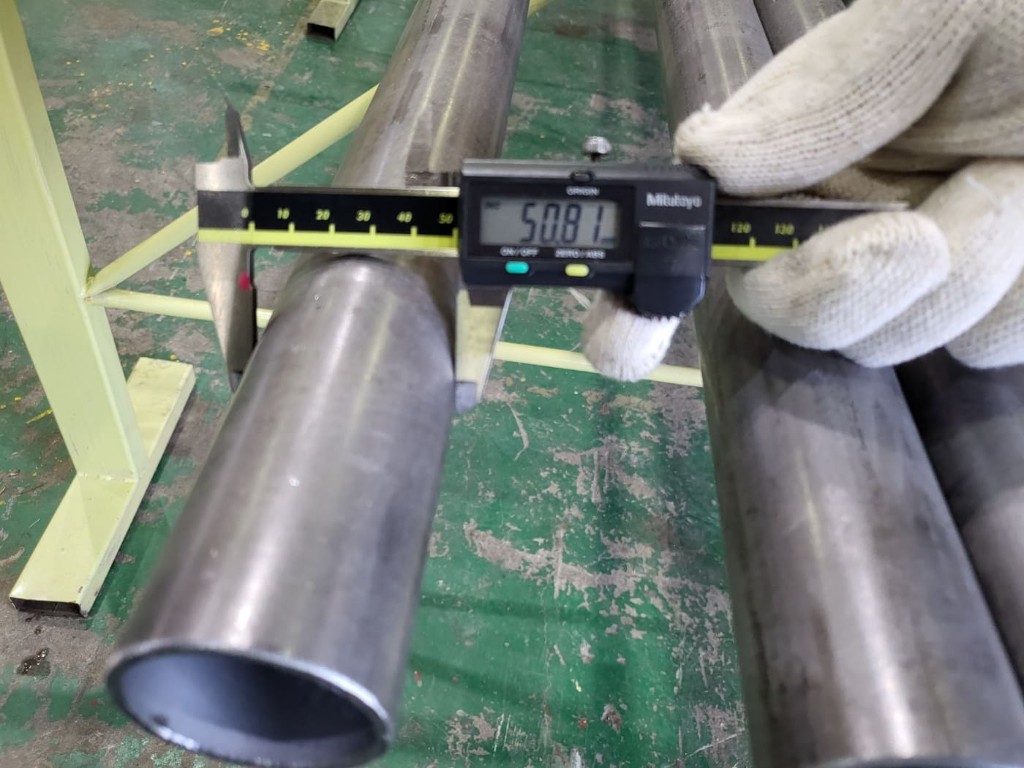
Dimensional and visual inspection confirm OD, WT, length, and finish against the release criteria. Final review catches handling damage, marking errors, or packing issues before crates and bundles are closed.
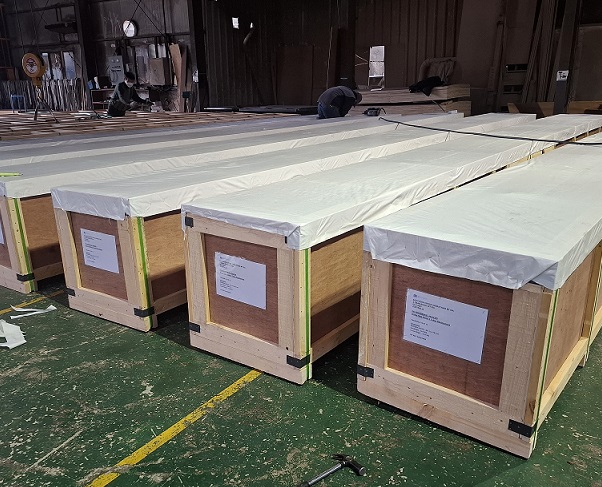
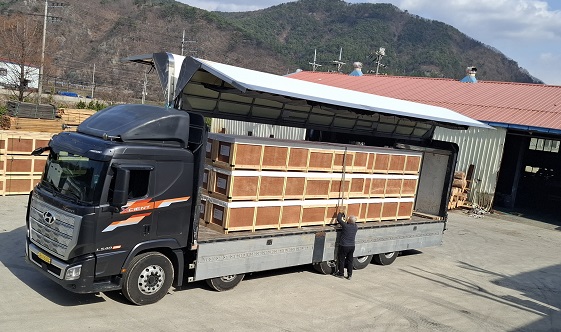
Packing uses seaworthy crates, skeleton cages, or bundled and strapped configurations matched to destination handling rules. Shipping documentation is aligned with the commercial invoice and inspection certificates so that mills, third parties, and end users see one consistent story from mother pipe to departure.
Taken together, these steps describe a continuous quality chain rather than isolated shop operations. If you need a route tailored to duplex, high-nickel, or low-temperature grades, our team can map process steps and test points to your project specification and delivery schedule.
|